The True Cost of HVAC Callbacks Is Bigger Than Most Owners Think
A single callback does not just cost labor twice — it steals future capacity, damages customer trust, and erodes margin in ways that most owners never fully measure.
Callbacks Are Double-Cost Events
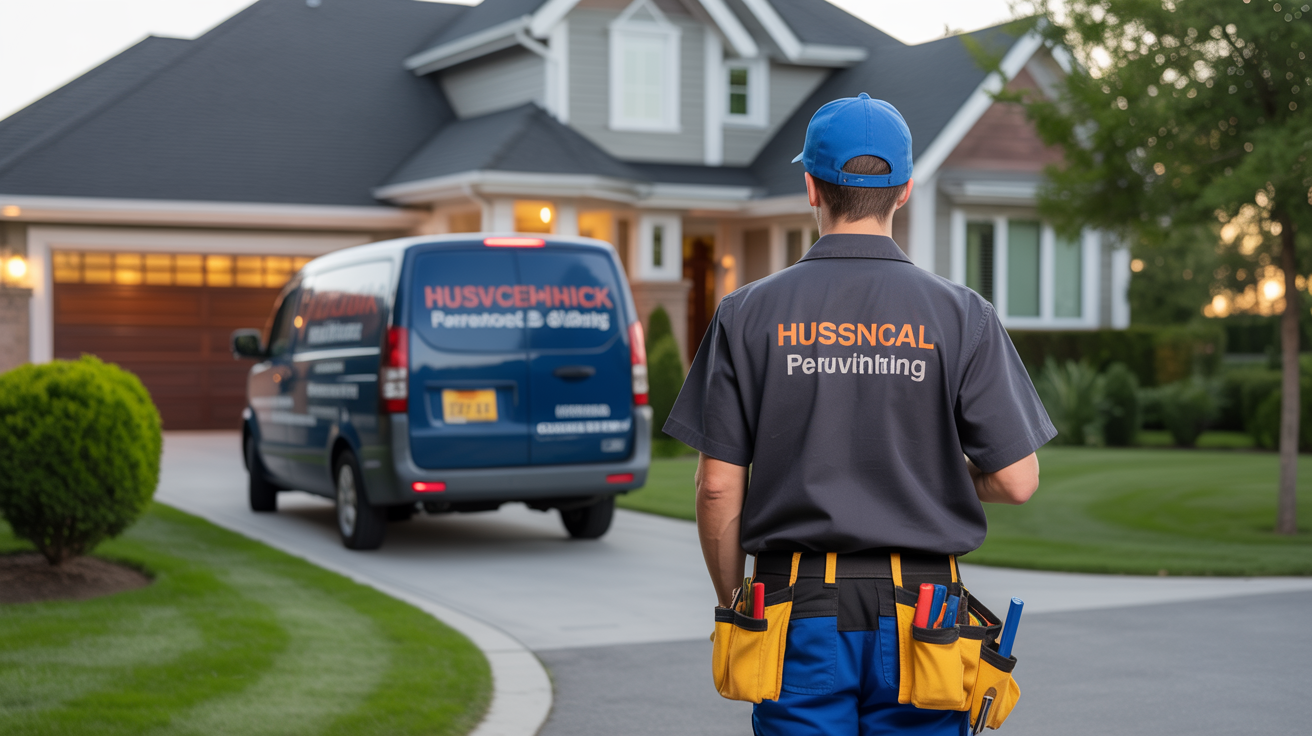
On the surface, a callback looks like a minor inconvenience. A technician returns to a home to address an issue that was not fully resolved on the first visit. But underneath that simple description is a compounding cost structure that quietly erodes profit from multiple directions.
The first visit produced revenue. The callback visit produces none. But the callback still consumes a technician, a truck, fuel, drive time, and — most critically — a time slot that could have been filled with a revenue-generating job.
The Three Layers of Callback Cost
Layer 1: Direct labor cost. The technician is being paid for the callback visit. The fully loaded cost of a tech hour — wages, benefits, insurance, vehicle expense — typically runs between $45 and $85 per hour. A callback that takes 90 minutes costs $67 to $127 in direct labor alone.
Layer 2: Opportunity cost. That 90-minute callback displaced a job that could have generated $300 to $500 in revenue. This is the cost most owners miss. The callback did not just cost labor — it prevented the business from earning on a new job during that time.
Layer 3: Customer trust damage. The homeowner who needs a callback has a diminished experience. Their confidence in the company drops. They are less likely to sign a maintenance agreement, less likely to request the company for future work, and less likely to refer friends and neighbors.
How Callbacks Compound Across a Fleet
A company running six trucks with a callback rate of 10% on 30 daily calls generates approximately 3 callbacks per day. Over 22 workdays, that is 66 callbacks per month.
At an average callback duration of 90 minutes, an opportunity cost of $350 per displaced job, and a direct labor cost of $75 per hour, the monthly damage includes:
- Direct labor: 66 callbacks × 1.5 hours × $75 = $7,425
- Opportunity cost: 66 displaced jobs × $350 = $23,100
- Combined monthly impact: approximately $30,500
That is over $366,000 per year in combined callback damage — and most owners would estimate their callback costs at a small fraction of that number.
What Drives High Callback Rates
Callbacks rarely stem from a single cause. Common drivers include:
- Incomplete diagnostics on the first visit
- Rushed work caused by overloaded scheduling
- Inadequate training on newer equipment
- Poor parts availability leading to temporary fixes
- Miscommunication between dispatch and the tech about the scope of the job
Each of these drivers connects to deeper operational issues — dispatch quality, training investment, process control, and communication systems.
Measuring What Matters
Most HVAC companies track callback volume loosely, if at all. The ones that measure it precisely often discover that their real callback rate is higher than they assumed. And the financial impact is almost always larger than expected once opportunity cost is included.
The goal is not zero callbacks — that is unrealistic. The goal is visibility into what callbacks actually cost and which root causes deserve the most attention.
Use the Profit Leak Finder to estimate which leaks — including callbacks — are likely hurting your margin most.
Run the Diagnostic
Take the Profit Leak Finder and discover where your HVAC business may be leaking revenue and margin.
Start the Profit Leak Finder